About Us
About Rewari
Rewari, located in southern Haryana near the National Capital Region (NCR), is a historically rich and steadily growing city known for its heritage, strategic importance, and industrial development. The city holds a proud place in India’s history, particularly for its association with Rao Tula Ram, a prominent leader in the First War of Independence in 1857. Blending tradition with progress, Rewari reflects the cultural spirit of Haryana while embracing modernization and urban growth.Rewari is widely recognized for its historic Steam Locomotive Shed, a rare and preserved heritage site of Indian Railways that showcases the city’s deep railway legacy. Landmarks such as the Rewari Clock Tower, ancient temples, and traditional markets highlight its architectural charm and vibrant local life. The city also serves as a major railway junction and transportation hub, connecting it efficiently to Delhi, Jaipur, Gurugram, and other key cities.Beyond its historical significance, Rewari has emerged as an important industrial center with expanding manufacturing units, commercial establishments, and residential developments. Educational institutions, healthcare facilities, and civic infrastructure continue to strengthen the city’s livability and economic growth. With its unique blend of history, culture, connectivity, and opportunity, Rewari stands as a promising and dynamic destination in southern Haryana.
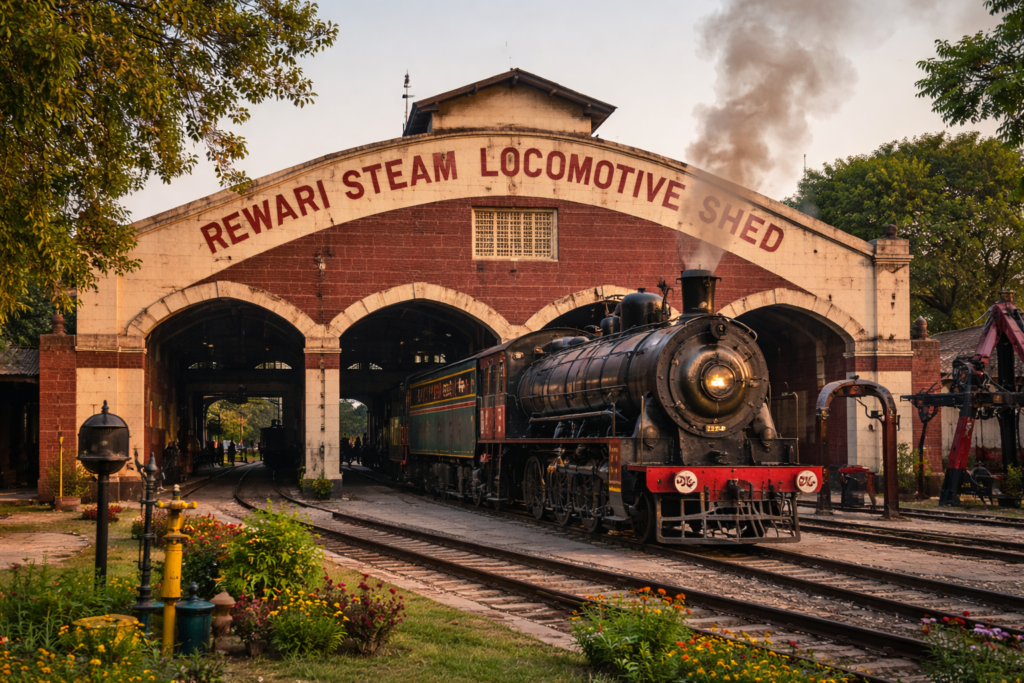
Rewari Steam Locomotive Shed
The Rewari Steam Locomotive Shed is one of the most iconic heritage landmarks in Haryana and a symbol of India’s rich railway history. Established in 1893, it is the only surviving steam locomotive shed in the country that still preserves and showcases vintage steam engines. Located in the heart of Rewari, this historic site reflects the city’s deep connection with Indian Railways and its important role as a major railway junction in North India.The shed houses rare and restored steam locomotives that once operated across different regions of India. Railway enthusiasts, tourists, and history lovers visit the site to witness these magnificent engines and learn about the evolution of railway transportation. The heritage structure stands as a proud reminder of industrial progress, engineering excellence, and Rewari’s contribution to India’s railway legacy. Whether for educational visits or cultural exploration, the Rewari Steam Locomotive Shed remains one of the city’s most treasured attractions.
Heritage Gate of Rewari
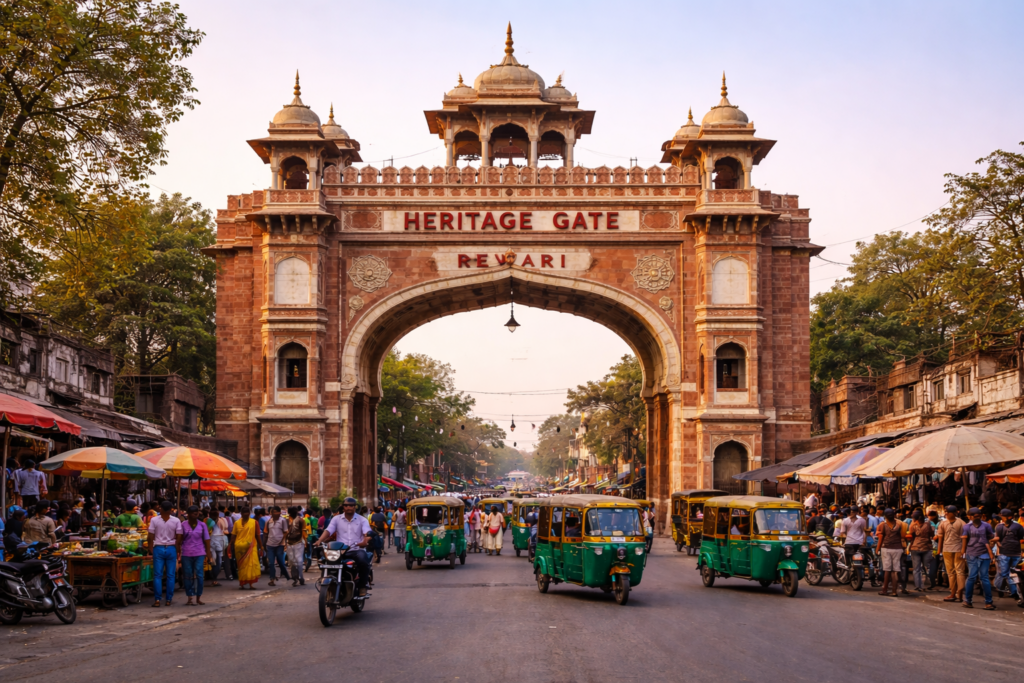
The Heritage Gate of Rewari stands as a grand symbol of the city’s historical pride and architectural beauty. Designed with traditional Rajasthani and Mughal-inspired elements, the gate features majestic arches, decorative carvings, and elegant domed structures that reflect the cultural richness of the region. It serves as a welcoming landmark, representing the city’s legacy, identity, and evolving urban spirit.Located at a prominent entry point, the Heritage Gate is not only an architectural attraction but also a reminder of Rewari’s deep-rooted traditions and community values. The vibrant surroundings, local markets, and daily movement of people around the gate create a lively atmosphere that blends history with modern life. Whether admired during the golden hours of sunset or illuminated at night, the Heritage Gate stands as a proud emblem of Rewari’s heritage and progress.
Culture, Festivals, and Lifestyle of Rewari
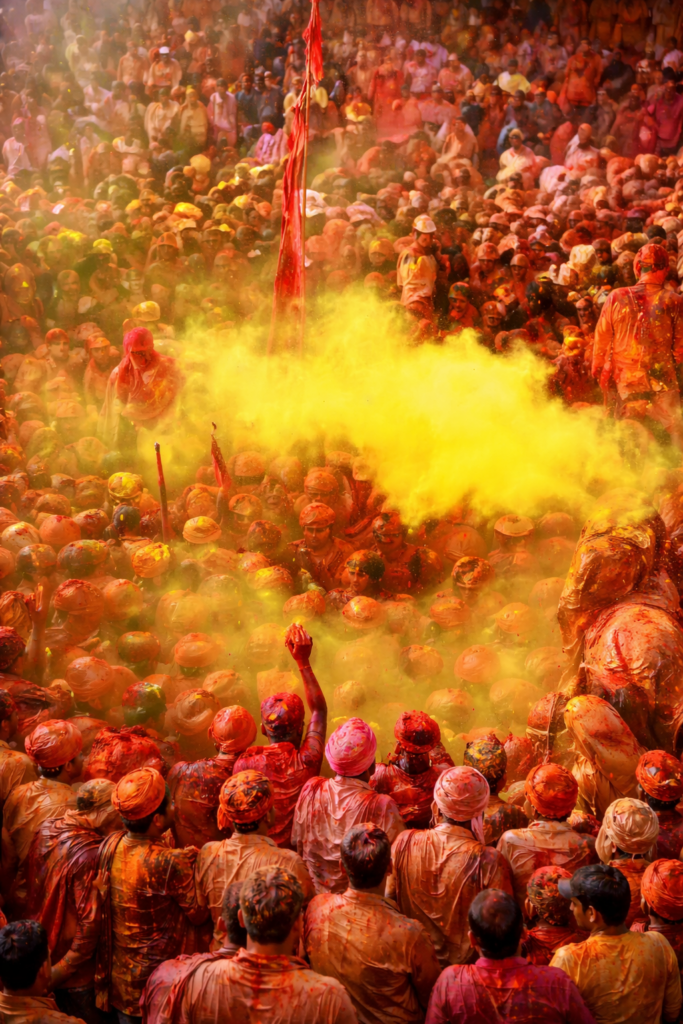
Rewari is widely recognized as a city where tradition and community spirit thrive through vibrant festivals, cultural gatherings, and time-honored customs that continue to shape everyday life. Celebrations in Rewari are not merely events—they are heartfelt expressions of devotion, heritage, and togetherness that unite families and communities across the region. During major festivals, temples are beautifully decorated, markets glow with colorful lights, and the streets come alive with devotional songs, folk performances, and joyful processions that reflect the rich cultural fabric of Haryana.Festivals such as Diwali, Holi, Navratri, Dussehra, and Makar Sankranti are celebrated with great enthusiasm and reverence, filling the city with lights, music, and festive energy. Traditional fairs and temple gatherings, especially at revered local shrines, draw devotees and visitors who come to seek blessings and participate in rituals rooted in centuries-old traditions. The spirit of Teej and other regional festivals highlights Haryana’s rural charm, showcasing folk dances, cultural performances, and community feasts that strengthen social bonds.Beyond religious celebrations, national festivals like Independence Day and Republic Day are observed with patriotic pride, featuring public events, school programs, and community participation. Throughout the year, local markets bustle with activity, offering traditional sweets, handcrafted goods, and festive decorations that add to the city’s lively atmosphere. Together, these celebrations reflect the cultural richness, unity, and enduring heritage of Rewari, making it a city where tradition and modern life harmoniously coexist.
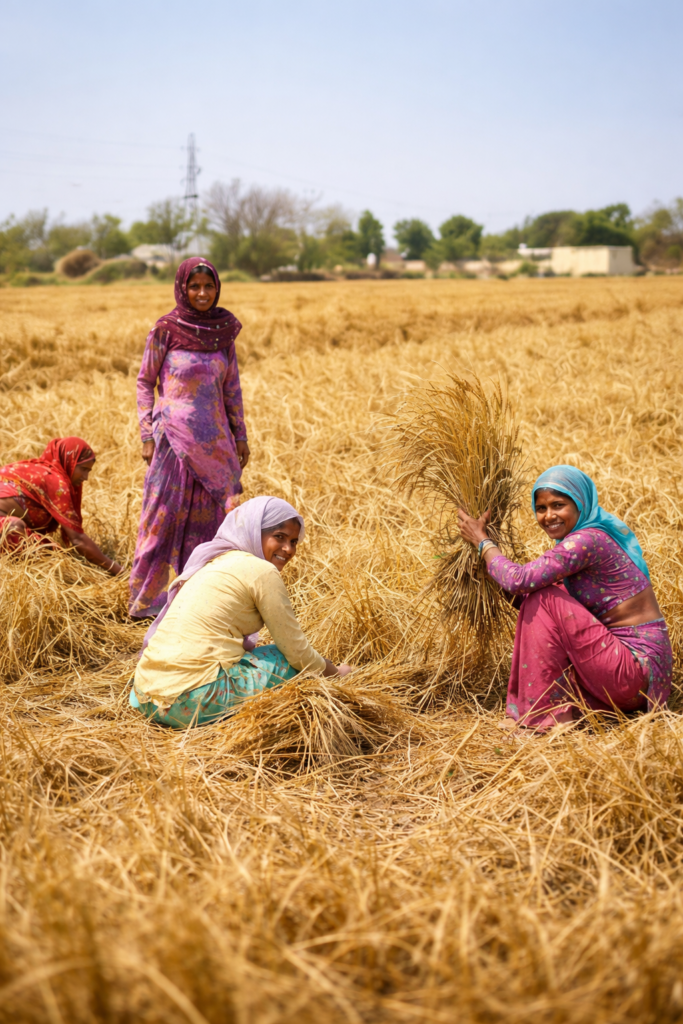
Rewari’s lifestyle is deeply rooted in tradition, simplicity, and community values, while steadily embracing the pace of modern development. The day in Rewari often begins with the sounds of temple bells and morning prayers, as residents start their routines with devotion and dedication. Local markets gradually come alive with shopkeepers opening their stores, tea stalls serving fresh chai, and vendors preparing traditional snacks. The city’s streets reflect a blend of rural charm and urban growth, where conversations flow easily and people are known for their warmth, hospitality, and strong sense of belonging.Daily life in Rewari is closely connected to its cultural and historical heritage. Temples and local shrines serve as gathering places for prayer and reflection, while traditional fairs and community events bring families together throughout the year. The presence of the historic Steam Locomotive Shed and the iconic Clock Tower adds character to the city’s identity, reminding residents of its proud past. Alongside this heritage, industrial areas and educational institutions shape the aspirations of the younger generation, creating opportunities for progress and advancement.Evenings in Rewari often revolve around bustling marketplaces and neighborhood gatherings, where families shop, socialize, and enjoy local delicacies. Street food stalls offer popular treats such as kachori, samosa, jalebi, and traditional Haryanvi dishes that add flavor to everyday life. Festivals, religious ceremonies, and cultural programs regularly fill the city with color, music, and celebration, strengthening community bonds. Despite ongoing urban development and expanding infrastructure, Rewari continues to preserve its traditional values and close-knit atmosphere. Life here moves with a steady rhythm—peaceful yet progressive, traditional yet forward-looking—offering a lifestyle that is grounded, welcoming, and full of community spirit.
Culture & Community
The culture and community of Rewari reflect the strong spirit of Haryana—grounded in tradition, unity, and shared values that have been preserved across generations. Life in Rewari revolves around family bonds, social harmony, and time-honored customs that continue to shape everyday living. Temples, local shrines, community centers, and marketplaces serve as important gathering spaces where people not only worship but also connect, celebrate, and support one another. The people of Rewari are known for their warmth, simplicity, hospitality, and deep respect for cultural traditions.Rewari’s cultural identity is enriched by its historical legacy, especially its association with Rao Tula Ram and its significant role in India’s past. Folk traditions, Haryanvi music, local fairs, and festive celebrations keep the region’s heritage alive. Artisans, small business owners, farmers, and industrial workers all contribute to the city’s evolving yet rooted character. Traditional crafts, regional cuisine, and cultural programs continue to thrive alongside modern educational institutions and industrial growth.Community celebrations during festivals such as Diwali, Holi, Navratri, Teej, and national events bring residents together in joy and devotion, strengthening bonds of unity and pride. Despite rapid urban development and expanding infrastructure, Rewari has preserved its cultural foundation, where tradition and progress exist side by side. In Rewari, culture is not limited to monuments or history—it lives in the people, their customs, their celebrations, and their everyday interactions, making the city a vibrant symbol of heritage and community spirit in southern Haryana.
Heritage & Spiritual Significance
Rewari holds a place of deep historical heritage and cultural importance, rooted in centuries-old traditions, regional pride, and spiritual continuity. The city is closely associated with Rao Tula Ram, a prominent freedom fighter of the 1857 uprising, whose legacy remains a source of inspiration and identity for the people of the region. Rewari’s heritage reflects the valor, resilience, and cultural strength of Haryana, preserving stories of bravery and community unity that continue to shape its character today.At the heart of Rewari’s spiritual life are its temples and sacred sites, where daily prayers, religious gatherings, and festive celebrations foster devotion and social harmony. Local temples and shrines serve not only as places of worship but also as centers of community interaction, moral guidance, and cultural preservation. Traditional rituals, fairs, and spiritual discourses play an important role in everyday life, strengthening bonds among residents and keeping ancestral customs alive.Rewari’s heritage is also reflected in its historical structures, traditional architecture, and its renowned Steam Locomotive Shed, which stands as a symbol of the city’s proud railway legacy. Folk traditions, devotional music, and regional festivals form an essential part of the city’s cultural identity. Celebrations such as Diwali, Holi, Navratri, and other religious gatherings are observed with devotion and unity, transforming the city into a vibrant expression of faith and cultural pride. Together, these elements highlight Rewari’s enduring heritage and spiritual significance, where history, tradition, and modern life coexist in harmony.
Growth, Connectivity & Development
Rewari has steadily emerged as one of the rapidly developing cities in southern Haryana, reflecting consistent growth driven by expanding infrastructure, strong connectivity, and progressive development initiatives. Strategically located near the National Capital Region (NCR), Rewari serves as an important link between Delhi, Gurugram, Jaipur, and other major cities, enhancing its significance at both state and national levels. Over the years, the city has witnessed notable improvements in road networks, residential developments, commercial establishments, and industrial expansion that support its growing population and economic activity.Connectivity plays a crucial role in Rewari’s development. The city is a major railway junction, well-connected to key destinations across North India, and has long been recognized for its historic association with Indian Railways. National and state highways further strengthen road connectivity, making travel and transportation efficient for businesses and commuters alike. Its proximity to Gurugram and Delhi has also boosted investment opportunities and facilitated easier access to broader markets and employment hubs.Rewari’s growth is further supported by advancements in education, healthcare, and industry. The presence of educational institutions, training centers, and technical colleges contributes to skill development and knowledge expansion. Healthcare facilities continue to improve, providing essential services to residents and surrounding rural areas. Industrial zones and manufacturing units have expanded significantly, creating employment opportunities and fostering entrepreneurship. Together, these developments highlight Rewari’s transformation into a dynamic urban center where progress, connectivity, and opportunity shape its forward-looking future.
FAQ – Frequently Asked Questions
1. Where is Rewari located?
Rewari is located in the southern part of Haryana, India, near the National Capital Region (NCR). It is well-connected to major cities like Delhi, Gurugram, and Jaipur.
2. What is Rewari famous for?
Rewari is famous for its historic Steam Locomotive Shed, strong railway connectivity, association with freedom fighter Rao Tula Ram, and its growing industrial development.
3. How can I reach Rewari?
Rewari can be reached by road and rail. It is a major railway junction and is well-connected through national highways. The nearest major airports are in Delhi and Jaipur.
4. What are the main attractions in Rewari?
Key attractions include the Rewari Steam Locomotive Shed, Rewari Clock Tower, Bada Talab (lake), historical temples, and local markets showcasing traditional culture.
5. Is Rewari a good place for business and industry?
Yes, Rewari is an emerging industrial hub with several manufacturing units and industrial zones. Its proximity to NCR makes it attractive for business and investment.
6. What festivals are celebrated in Rewari?
Major festivals such as Diwali, Holi, Navratri, Teej, Dussehra, and national festivals are celebrated with great enthusiasm and community participation.
7. What is the best time to visit Rewari?
The best time to visit Rewari is during the winter months (October to March) when the weather is pleasant and suitable for sightseeing and outdoor activities.